
Streamlining Specimen Collection for Healthcare Providers

In the fast-paced world of healthcare, efficiency is key. Specimen collection is a critical component of patient care, yet it often presents challenges that can hinder the overall workflow. From ensuring accurate sample collection to managing logistics, healthcare providers face numerous obstacles. This blog post will explore practical strategies for streamlining specimen collection, enhancing patient experience, and improving operational efficiency.

Understanding the Importance of Efficient Specimen Collection
Efficient specimen collection is vital for several reasons:
Accuracy: Proper collection techniques ensure that samples are representative of the patient's condition, leading to accurate diagnoses.
Timeliness: Quick turnaround times for specimen processing can significantly impact patient outcomes.
Patient Satisfaction: A streamlined process reduces wait times and enhances the overall patient experience.
By focusing on these areas, healthcare providers can improve their services and foster better patient relationships.
Common Challenges in Specimen Collection
Before diving into solutions, it's essential to identify the common challenges faced during specimen collection:
Inconsistent Procedures: Variability in collection techniques can lead to errors.
Lack of Training: Staff may not be adequately trained in the latest collection methods.
Logistical Issues: Transportation and storage of specimens can be problematic, especially in larger facilities.
Patient Anxiety: Fear of needles or the collection process can deter patients from providing samples.
Recognizing these challenges is the first step toward implementing effective solutions.
Best Practices for Streamlining Specimen Collection
Standardize Collection Protocols
Creating standardized protocols for specimen collection can significantly reduce variability and errors. Here are some steps to consider:
Develop Clear Guidelines: Write detailed instructions for each type of specimen collection, including preparation, collection, and handling.
Regular Training Sessions: Conduct training sessions for all staff involved in specimen collection to ensure everyone is up-to-date on best practices.
Utilize Checklists: Implement checklists to guide staff through the collection process, ensuring no steps are missed.
Invest in Quality Collection Kits
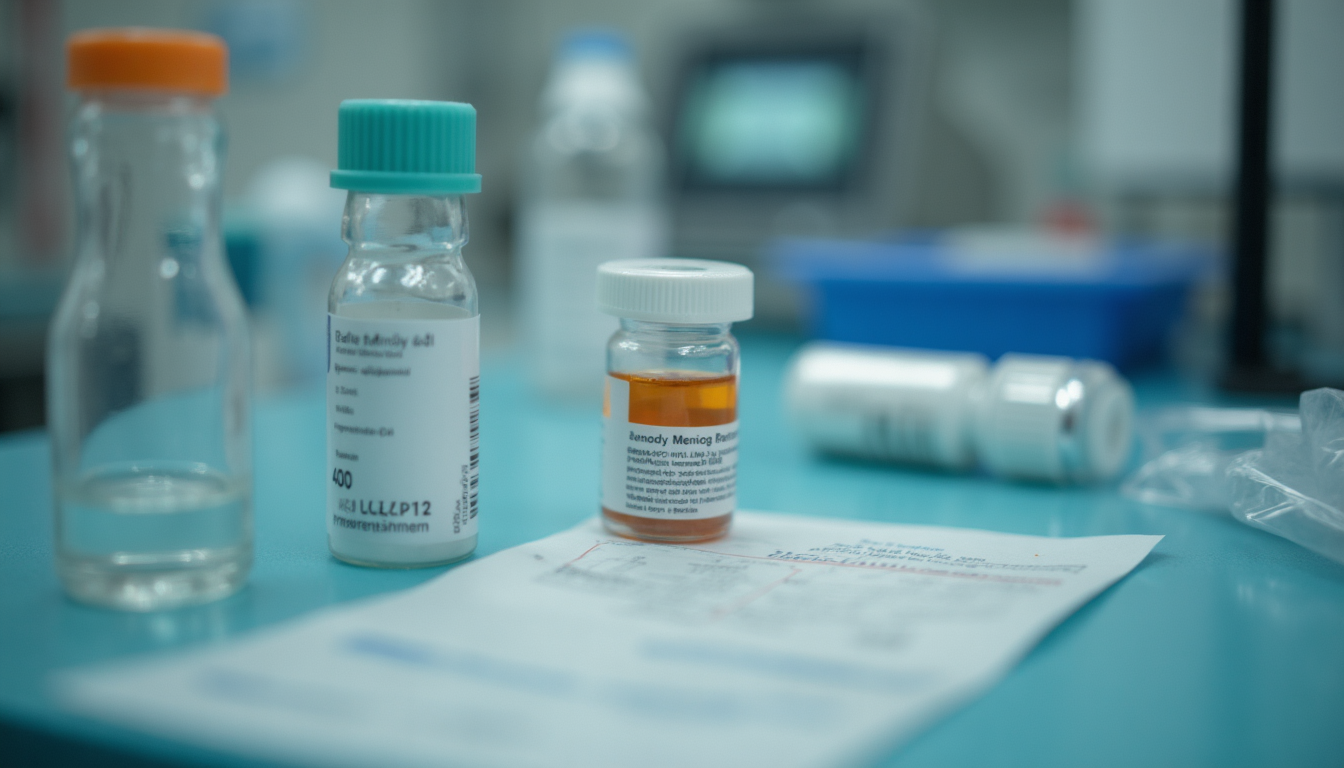
Using high-quality specimen collection kits can enhance the efficiency and accuracy of the process. Consider the following:
Pre-packaged Kits: These kits should include all necessary materials, such as tubes, labels, and instructions, to minimize preparation time.
User-Friendly Design: Kits should be designed for ease of use, reducing the likelihood of errors during collection.
Enhance Communication
Effective communication among healthcare providers, laboratory staff, and patients is crucial for successful specimen collection. Here are some strategies:
Clear Instructions for Patients: Provide patients with clear, easy-to-understand instructions on how to prepare for their specimen collection.
Interdepartmental Collaboration: Foster open communication between departments to ensure everyone is on the same page regarding specimen handling and processing.
Implement Technology Solutions
Leveraging technology can streamline the specimen collection process in various ways:
Electronic Health Records (EHR): Integrate specimen collection data into EHR systems to ensure accurate tracking and documentation.
Mobile Applications: Use mobile apps to remind patients of their appointments and provide pre-collection instructions.
Optimize Logistics
Logistics play a significant role in the efficiency of specimen collection. Consider these tips:
Centralized Collection Points: Establish centralized locations for specimen collection to reduce travel time for both patients and staff.
Efficient Transportation: Develop a reliable transportation system for specimens to ensure timely delivery to the laboratory.
Case Studies: Successful Implementation
Case Study 1: A Local Hospital's Approach
A local hospital faced challenges with specimen collection, leading to delays and patient dissatisfaction. By implementing standardized protocols and investing in quality collection kits, they reduced errors by 30% and improved patient satisfaction scores by 25% within six months.
Case Study 2: A Community Health Center
A community health center struggled with patient anxiety during specimen collection. They introduced a mobile app that provided patients with pre-collection instructions and reminders. As a result, the center saw a 40% increase in patient compliance for specimen collection.
The Role of Staff Training
Training is a crucial element in streamlining specimen collection. Here are some key aspects to focus on:
Ongoing Education: Regularly update staff on new techniques and technologies in specimen collection.
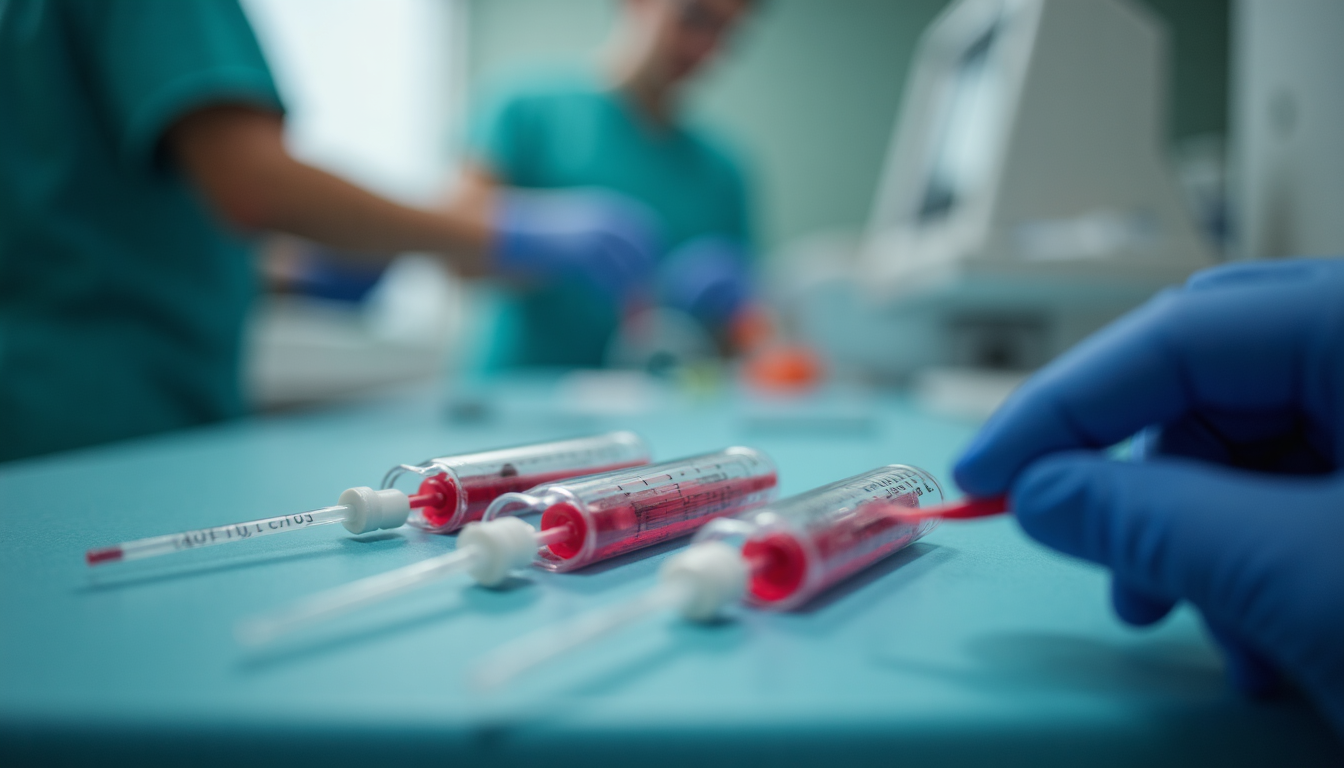
Simulation Training: Use simulation exercises to help staff practice collection techniques in a controlled environment.
Engaging Patients in the Process
Patient engagement is essential for successful specimen collection. Here are some strategies to consider:
Educate Patients: Provide educational materials that explain the importance of specimen collection and what to expect during the process.
Address Concerns: Create a welcoming environment where patients feel comfortable voicing their concerns about the collection process.
Conclusion
Streamlining specimen collection is not just about improving efficiency; it's about enhancing patient care and satisfaction. By standardizing protocols, investing in quality materials, leveraging technology, and engaging patients, healthcare providers can create a more effective specimen collection process.
As the healthcare landscape continues to evolve, embracing these strategies will not only improve operational efficiency but also foster stronger relationships with patients. Take the next step by assessing your current specimen collection practices and identifying areas for improvement. Your patients will thank you for it.
Comments